Botanical Characteristics
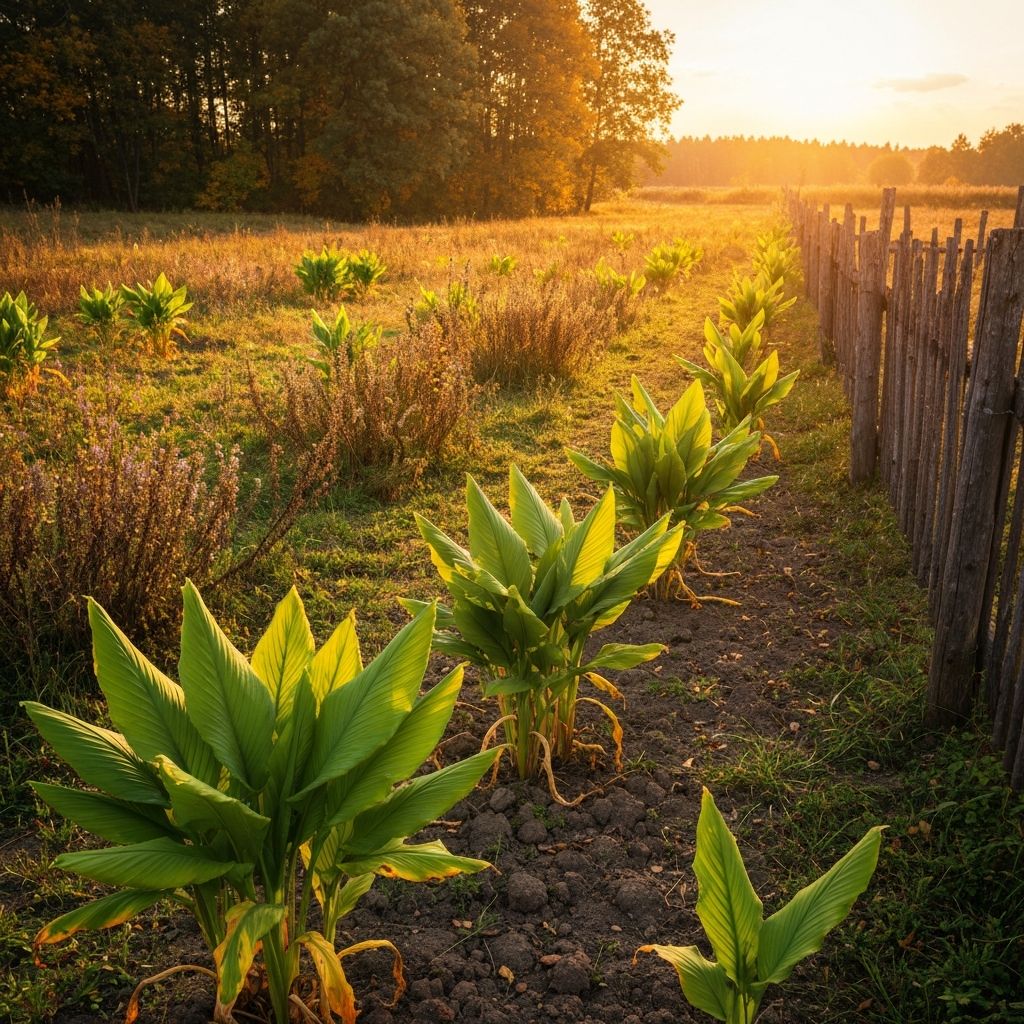
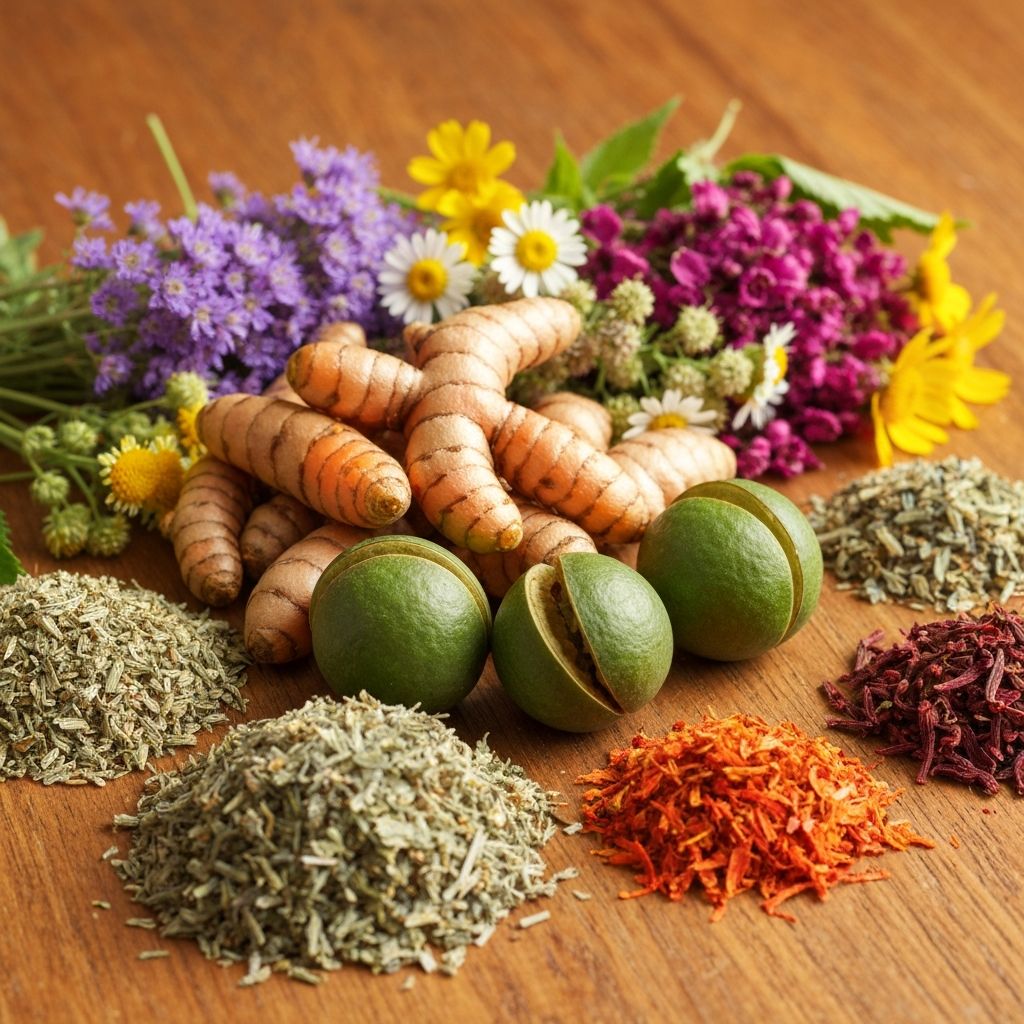
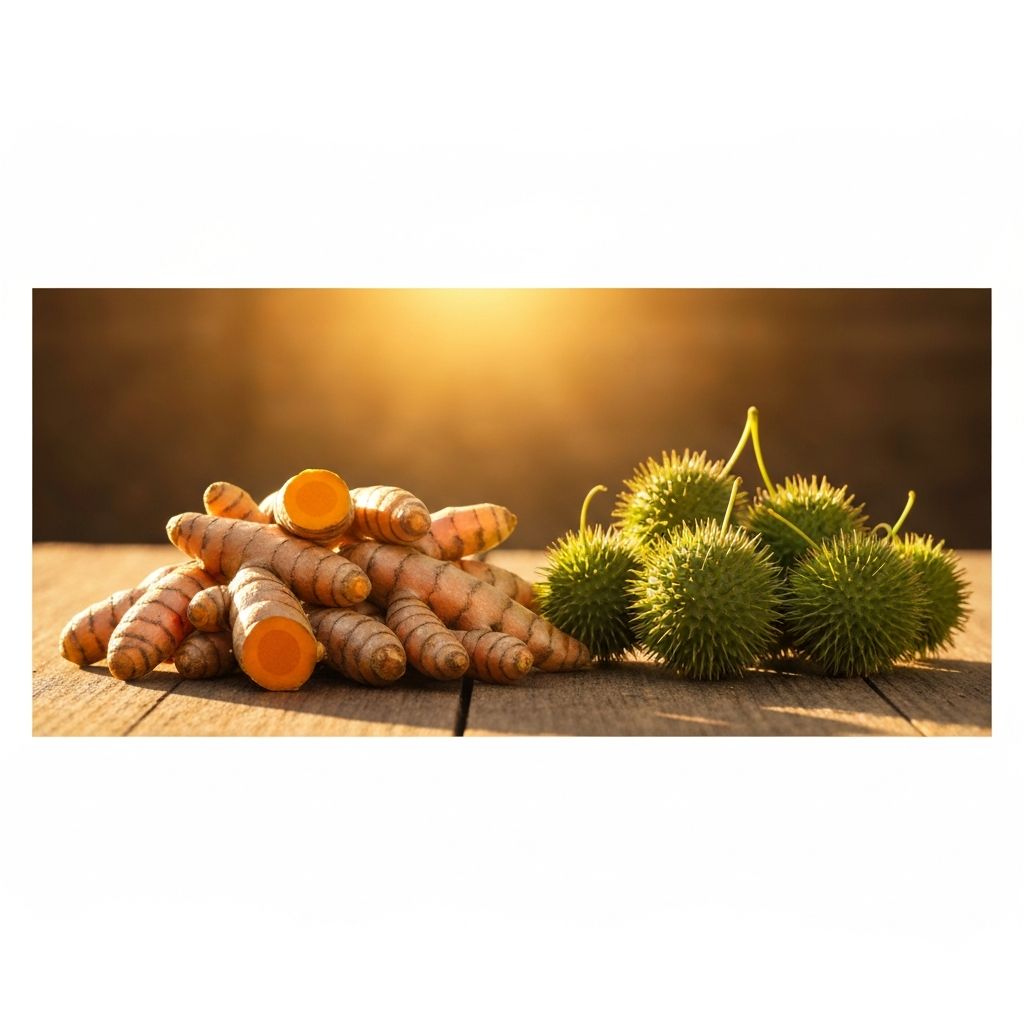
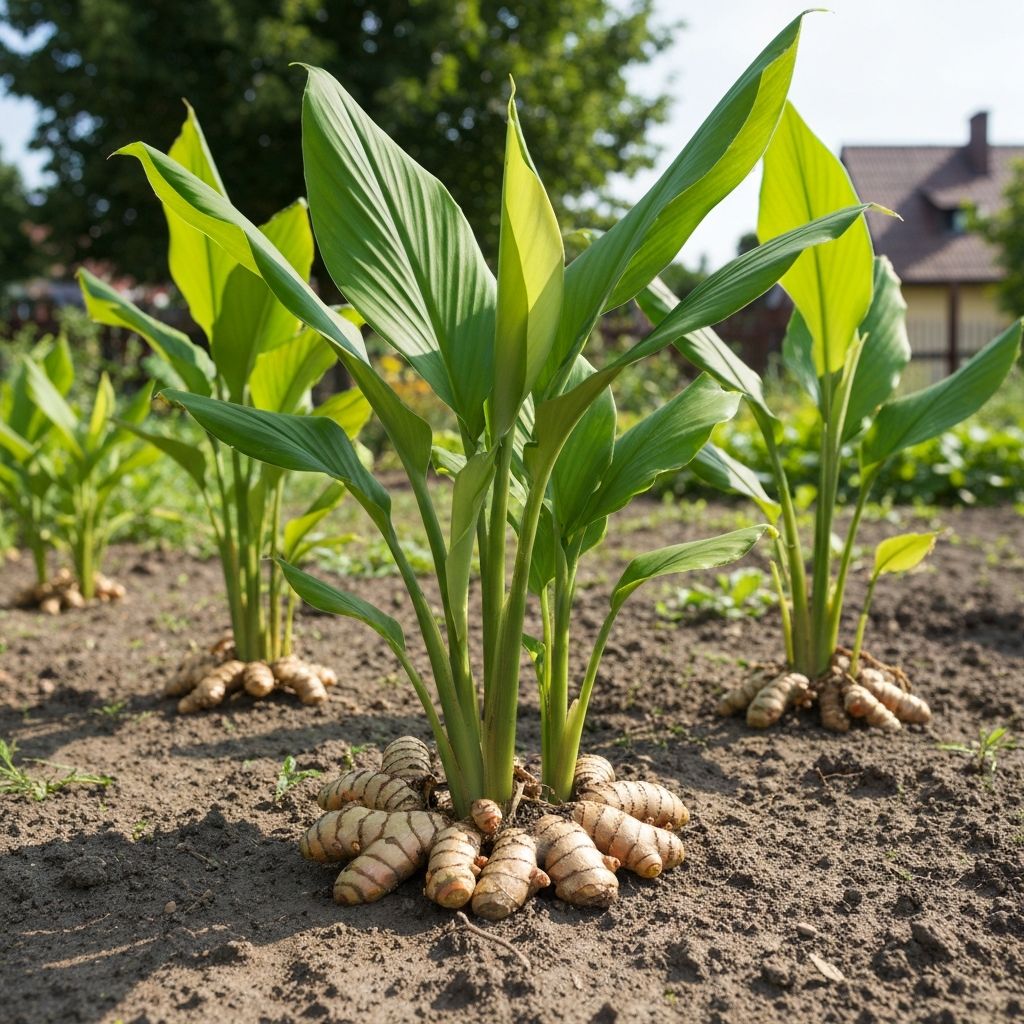
Curcuma longa, commonly known as turmeric or Ostryż długi in Polish, is a perennial herbaceous plant belonging to the Zingiberaceae family. The plant features distinctive rhizomes with a warm golden-yellow color and aromatic properties that have made it significant in various culinary and traditional practices across cultures.
Historical Introduction to Europe
Turmeric's journey to Central Europe, including Poland, occurred primarily through Mediterranean trade routes and cultural exchanges. While not native to the region, the spice became integrated into traditional European herbalism, particularly through Polish and Central European folk knowledge inherited from historical commerce with India and the Mediterranean basin. The rhizome has been documented in traditional European herbal texts since the Middle Ages.
Traditional Uses in Regional Context
In Central European traditions, turmeric rhizomes have been valued in daily wellness practices related to general comfort and support for active lifestyles. The plant has appeared in traditional preparations, folk remedies, and cultural rituals centered around maintaining physical vitality and general well-being without medical claims.